

Choosing the right sunscreen for face can be confusing. When you walk into any store, you can see hundreds of sunscreens claiming to be lightweight, oil-free, dermatologically approved, and for sensitive skin. The list goes on. But not all sunscreens are made equal, and the wrong choice for you could leave your skin oily, irritated, and unprotected from the sun.
According to the American Academy of Dermatology, wearing sunscreen every day may reduce skin aging due to UV exposure by almost 24%. It may also lower your risk of skin cancer and hyperpigmentation. So protecting your skin with the best face sunscreen is of utmost importance in 2026.
In this guide, we have rounded up how to find the best face sunscreen for daily use, explored mineral vs. chemical sunscreen for daily wear, and highlighted some of the best options available to you right now.
A dermatologist's favorite and a beloved sunscreen that feels light as a feather and yet provides you with broad-spectrum UV protection. Perfect for those with acne-prone or sensitive skin types.
It is absorbed quickly and doesn't leave a white residue. In addition, niacinamide provides your skin with a calming, soothing effect and helps reduce redness and irritation. A number of users also claimed that it worked extremely well under makeup.
The bottle is fairly small for the cost, and for extremely dry skin, a moisturizer would need to be worn underneath.
Perfect for outdoor activities where you may be exposed to prolonged direct sunlight. This sunscreen provides excellent UV protection and is waterproof for up to 80 minutes.
Hydrating and working well under the harsh summer sun. It also stood up well against UVA rays, the most prevalent cause of skin aging.
If your skin is extremely oily, then this could feel a little heavy during the summer months.
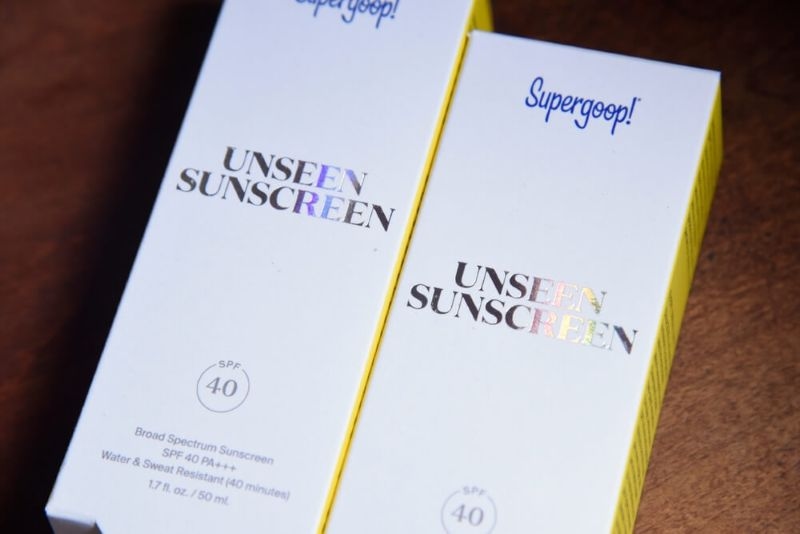
An incredibly popular invisible gel sunscreen that also acts as a primer and provides strong UV protection. A total game changer in the world of sunscreens.
Its silky-smooth texture feels weightless on the skin, and it leaves no white residue. We especially loved using it during the workday in the office.
Some individuals with sensitive skin reported very mild irritation from this fragrance-free chemical sunscreen.
For those of you looking for an affordable mineral face sunscreen that’s perfect for every day use, this product is for you! CeraVe products are renowned for being accessible and working exceptionally well, so, of course, we can attest to why they're among the best.
With ingredients like hyaluronic acid and ceramides, your skin barrier is repaired, nourished, and hydrated while the sunscreen is hard at work protecting your skin from harmful UV rays.
Those with deeper skin tones may have experienced a noticeable white cast when using this mineral sunscreen.
The king of budget-friendly face sunscreens, this product remains on our best of list for all the reasons you can imagine. It provides all-day protection against UV rays and offers the best non-greasy face sunscreen for oily skin, with a dry finish for those who find sunscreen too oily.
The matte finish keeps your skin oil-free, which we absolutely love during hotter months and in humid environments.
Some users stated that the formula could be stingy around the eyes after a long day of activity and sweat.
Many people assume that SPF 50 provides a substantially higher level of protection than SPF 30. The reality is the difference between these two amounts of SPF isn’t as dramatic as you might think. With SPF 30, approximately 97% of UVB rays are blocked, and SPF 50 offers protection from roughly 98% of UVA rays.
SPF 30 should serve you perfectly well for office and day-to-day indoor use if applied properly, but if you find yourself out for extended periods, exercising vigorously, or living in a sun-kissed climate, SPF 50 could offer more significant protection.
The most important step, though, is reapplying the sunscreen frequently enough. Studies show that most users apply only 25%-50% of the sunscreen needed to protect the skin, which can compromise even high-SPF products when applied improperly.
Mineral sunscreens physically block the sun’s UV rays by providing a barrier between your skin and the sun's rays. Typically containing zinc oxide or titanium dioxide, they are often recommended for those with sensitive skin, as they're unlikely to irritate it. Chemical sunscreens absorb UV rays and convert them into heat. Once this has been achieved, the skin releases the heat. These tend to be much more lightweight on the skin and blend more easily. If you have very dry, acne-prone, or rosacea-prone skin, a mineral sunscreen may be best for you. For people who dislike the heavy feel and potential white residue from mineral sunscreens, a chemical sunscreen should provide more comfort on a day-to-day basis.
Dermatologists suggest applying two finger lengths' worth of product to your face and neck combination. Always apply at least 15 minutes before going into direct sunlight.
Just as important as the application, reapplying your sunscreen is equally vital. If you’ve been swimming or sweating profusely for prolonged periods, you should apply a new layer of sunscreen every two hours.
The biggest trend among shoppers today is to compare products online before buying. Websites such as rebates.com may offer you great discounts on beauty products and skincare essentials year-round.
Choosing a face sunscreen requires considering your skin type, lifestyle, and daily routine. Some individuals may seek a light gel that sits beneath their makeup, while others may opt for a richer mineral sunscreen for extremely sensitive skin. The good thing about today's sunscreens is that their formulas feel lighter than those of older ones. Whether you choose SPF 30 or SPF 50, you will get all the benefits of preventing future wrinkles, dark spots, and lasting sun damage by consistently wearing sunscreen every day.
Although some sunscreens may contain moisturizing ingredients like ceramides and hyaluronic acid that make them suitable for oily or combination skin, those with dry skin will often require an additional moisturizer. This is because a moisturizer helps support the skin barrier, while sunscreen offers UV protection.
Yes, sunscreens do expire! Most formulas are good for 3 years from the date of manufacture; as products age, usage can significantly decrease, providing your skin with less protection. If you have left your sunscreen out in extreme heat, then it may break down even faster.
Yes, and this is especially true if you spend a large portion of your day near windows or constantly in front of a screen. The UVA rays can penetrate through glass and cause premature aging. Many dermatologists recommend an SPF sunscreen every single day because of UV rays in any weather condition, including when you are inside.
This content was created by AI