

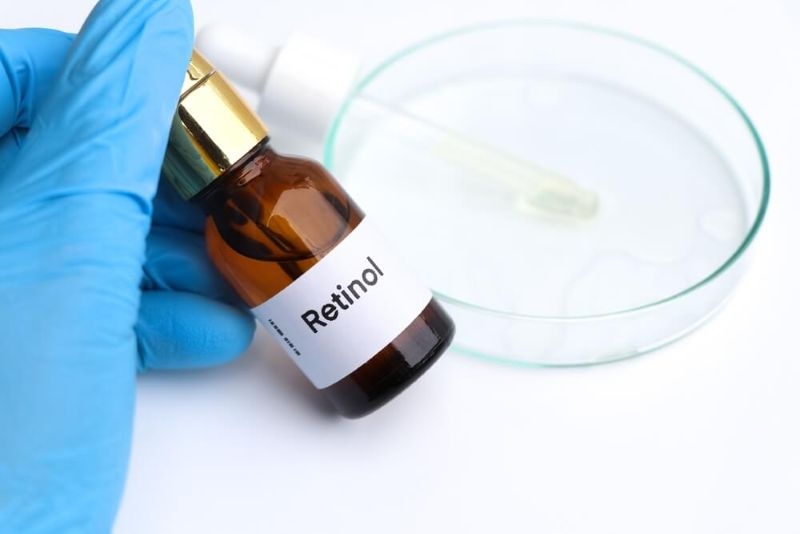
The use of retinol as a staple in contemporary skincare products has risen dramatically over the years. This article aims to provide an excellent overview of the benefits of retinol and how to apply it effectively. Whether you're new to retinol or looking to incorporate it into an existing routine to improve the appearance of wrinkles, it is essential that you take the time to familiarize yourself with all aspects of retinol so you can safely and effectively achieve the desired results.
The purpose of this retinol skin-care guide is to provide you with a complete understanding of how to properly use retinol (a powerful derivative of vitamin A) and its benefits. Retinol helps stimulate new skin cell production, increase collagen content, and improve the overall appearance of your skin.
Retinol penetrates the upper layers of the skin to reach deeper layers, thereby helping to speed up cell turnover through the process of cell renewal. As this process occurs, it removes dead skin cells from the surface of your skin by unclogging pores, smoothing fine lines, and evening out skin tone. For these reasons, retinol is considered to be an important element in an anti-aging skin-care regimen.
As retinol can cause irritation, jumping right into it without guidance can harm your skin. Therefore, by following the tips given in this guide, you can gradually help your skin adjust to retinol. Start with a lower concentration of retinol and apply it only 3 times per week in the evening until your skin becomes acclimated.
Many people use retinol to reduce the formation of wrinkles, diminish dark spots (and other forms of hyperpigmentation), and improve acne. Thus, retinol is a multifunctional ingredient that can help with both anti-aging and texture issues when combined with other ingredients. As such, you should have retinol available in your skin-care lineup.
For Retinol usage to work effectively, it is important to use it correctly. Therefore, this guide will focus on how to safely and effectively apply your retinol product.
Because there is an increased risk of skin irritation from Retinol, it is best to use it only at Night. First, wash your face with a gentle cleanser, then apply a pea-sized amount of Retinol, and finish with your regular moisturizer.
Using your retinol consistently in your nightly skincare regimen will help your skin become accustomed to it, which can also help reduce drying and redness associated with retinol use.
If you are a beginner in using Retinol for the first time, then you should be aware of some of the best
The following are the best retinol usage tips to help newer users have an easier transition into an anti-aging skincare routine.
Start by using a very low strength of Retinol
Using these tips will help you make a smoother, easier transition into an anti-aging skincare routine.
Use retinol with water-building components like hyaluronic acid and ceramides. Avoid mixing these very strong acids at first. A balanced approach will yield better results in your efforts to reduce wrinkle formation without irritating your skin.
Setting realistic expectations is very important when working with a retinol skincare routine. Though you will need to give it time to develop results, the results will be worth the wait!
The first signs of improvement will typically appear between four and twelve weeks. The skin will start to show signs of fading, with fine lines and imperfections becoming less noticeable as it smooths with consistent use of anti-aging products.
Retinol will reduce wrinkles by encouraging collagen growth, which provides the face with better support and firmness, and by making fine lines appear less visible over time, when used consistently in anti-aging skincare products.
There are several side effects associated with retinol use. Some of the most common include mild redness, dryness, and skin flaking. Ways to manage the side effects from using retinol products include the following:
These practices will help you feel more comfortable following your nighttime skincare program and ensure it continues to work effectively to reduce signs of aging.
In this guide to retinol, we will show you why it is essential to be patient, consistent, and use retinol properly, as it can be safely incorporated into your anti-aging skincare routine if you follow the retinol beginner tips (recommended by experts) and have time to see smoother textures, better tones, and fewer visible wrinkles. Being disciplined with your nightly skincare routine will make using retinol so much more rewarding than just having beautiful, youthful skin after one application.
If you use both retinol and vitamin C together in your routine, use them carefully to avoid possible irritation. To have successful results in your anti-aging skincare regimen, apply Vitamin C in the morning and retinol at night. Using both products consistently and properly will improve brightness, stimulate collagen production, and enhance your skin's overall health.
Yes, sensitive skin can use retinol successfully if introduced gradually. Start with a low-strength retinol and follow the beginner's guide to retinol use. Use retinol 1-2 times weekly to improve your skin's texture and tone, pairing it with a moisturizer or hydrating product to reduce the risk of irritation.
To minimize the risk of irritation, apply moisturizer before and after your retinol (this is called the sandwich method). This can be extremely helpful when using retinol for the first time. This process can also help you feel comfortable with your nightly skincare regimen, keep your skin hydrated, and ensure your retinol skincare guide works at its maximum potential.
Retinol can speed up skin cell turnover by increasing cell production and accelerating the shedding of old skin cells. As a result, over time, using retinol in your anti-aging regimen can make your skin brighter and more even-toned by increasing the production of new skin cells.
Store retinol products in a cool, dark area away from light and heat sources. Light and air reduce the effectiveness of retinols. When using appropriate storage methods, your retinol product will remain effective, helping you achieve better results with your wrinkle-reduction regimen.
This content was created by AI